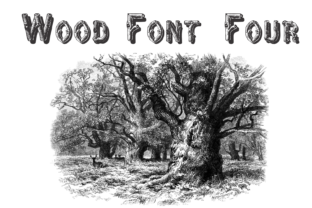
Wood Four: Capturing Nature's Texture in Your Designs
Imagine you're holding a piece of driftwood, its surface smoothed by years of sun and sea, yet still retaining the deep, carved lines of its history. That feeling of organic texture, warmth, and timeless character is exactly what the Wood Four font captures and brings into your digital and print projects. It's more than just a typeface; it's a design element that immediately sets a specific, tangible mood, perfect for anyone looking to inject a sense of nature, craftsmanship, or rustic charm into their work.
A Typeface with Roots in the Natural World
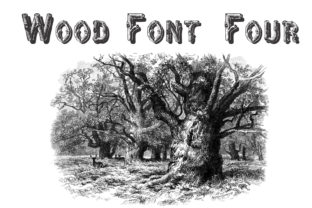
Wood Four is a display and decorative font built upon the unmistakable theme of wood. Its letterforms are crafted to mimic the grain, knots, and carved appearance you'd find in timber, giving each character a unique, handcrafted feel. This isn't a sterile, geometric sans serif or a traditional serif font; it's a creative font designed to make a visual statement. The visual appeal lies in its texture and weight. It feels substantial and grounded, which can instantly convey stability, tradition, and an eco-conscious sensibility. For projects about nature, environmental topics, outdoor adventures, or artisanal products, this font does a lot of the heavy lifting in establishing the right atmosphere from the very first glance.
Where Wood Four Truly Shines: Practical Applications
The strength of a display font like Wood Four is in its ability to grab attention and communicate a theme instantly. Think about where you need a strong visual hook. In logo design, it can become the cornerstone of a brand identity for a brewery, a woodworking shop, an organic farm, or a hiking gear company. The font itself tells part of the brand's story. For packaging design, especially for products like coffee, tea, natural cosmetics, or gourmet foods, Wood Four on a label can evoke a sense of authenticity and small-batch quality that competitors with generic fonts can't match.
On social media graphics, where you have mere seconds to stop a scroll, a bold headline set in Wood Four can be incredibly effective for promoting a new blog post about sustainable living, announcing a farmer's market appearance, or creating event posters for a music festival with a folk vibe. Its texture translates beautifully to merchandise like t-shirts, tote bags, and mugs, offering a design that feels more artistic than a simple printed word. Even in editorial layouts for magazines or blogs focused on travel, DIY, or gardening, it can serve as a powerful headline font, setting the tone for the entire feature.
Beyond Aesthetics: Building Brand Recognition and Consistency
Choosing a font like Wood Four isn't just about looking good—it's a strategic decision for your visual communication. When used consistently across your website headers, email newsletters, invoice templates, and social media profiles, it becomes a recognizable pillar of your brand identity. This consistency builds trust and professionalism. Customers begin to associate that specific visual style with your business, which is a key component of brand recognition. The font's inherent readability in larger sizes ensures that while it's decorative, your core message isn't lost. It pairs surprisingly well with clean, simple sans serif or serif fonts for body text, allowing you to maintain readability in longer paragraphs while letting Wood Four handle the impactful display work.
Making It Work: Pairing and Practical Considerations
Integrating a distinctive font like this requires a thoughtful approach. The first rule is to know your project's goal. Is it to feel rustic, modern-rustic, vintage, or purely natural? Wood Four leans into a classic woodcut aesthetic, so ensure that aligns with your vision. Always test font pairings. Try it with a neutral, clean typeface like a modern sans serif (e.g., a font like Open Sans or Lato) for body copy. The contrast will make Wood Four pop while keeping the overall design balanced and legible.
Consider the included styles. A good premium font family often comes with variations—perhaps a regular, bold, or even a textured and clean version. Experiment with these to see which works best for your medium. For instance, a cleaner version might be better for smaller web text, while the full textured version is perfect for a large poster. Lastly, and importantly, review the commercial licensing. Ensure the license covers your intended use, whether it's for a client project, merchandise you plan to sell, or digital products. This due diligence protects you legally and ensures you're using the font as intended by its creators.
In a landscape saturated with sleek, digital-first typography, Wood Four offers a refreshing return to something tactile and authentic. It’s a tool for designers, entrepreneurs, and creators who want their projects to feel grounded, honest, and connected to the natural world. By understanding its personality and applying it strategically, you can transform a simple design into a compelling visual story that resonates deeply with your audience.