Smoky Burger: The Display Font That Tastes Like Home
There’s something undeniably magnetic about a design that feels human. It’s the slight imperfection in a hand-lettered sign, the warmth in a menu that doesn’t look like it was spat out by a corporate printer, the instant feeling of comfort you get from typography that doesn’t take itself too seriously. In a world saturated with sleek, geometric sans-serifs and overly polished scripts, the Smoky Burger display font arrives like the smell of charcoal on a summer evening—familiar, inviting, and impossible to ignore. This isn't just another handwritten font; it’s a personality, a mood, and for many brands, the missing piece that transforms a generic layout into a memorable experience.
A Typeface with a Backstory: What Makes Smoky Burger Visually Compelling
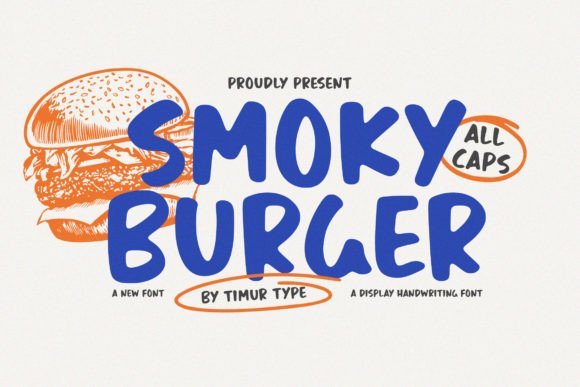
At its core, Smoky Burger is a bold and flavorful choice for designers seeking authenticity. The letterforms are handcrafted, each curve and stroke carrying the slight, beautiful irregularities of actual handwriting. This isn't a font that mimics perfection; it embraces the organic. The varying stroke widths create a dynamic rhythm, preventing the text from feeling static or sterile. The playful curves soften its bold presence, giving it a friendly and laid-back aesthetic that feels approachable rather than aggressive.
Think of it as the typographic equivalent of a well-loved recipe book. It has character. It has stories. This quality makes it exceptionally versatile. Need a retro diner vibe for a burger joint rebrand? Smoky Burger’s slightly condensed, energetic forms nail that nostalgic feel. Crafting a brand identity for a modern artisanal bakery or a farm-to-table food truck? Its casual warmth translates perfectly, suggesting handmade quality and care. It bridges eras and styles, making it a surprisingly adaptable display font for a wide range of creative projects.
From Screen to Print: Practical Applications That Sizzle
The true test of any premium font is how it performs in the wild. Smoky Burger isn’t just for looking at; it’s for working with. Its high impact and readability at large sizes make it a powerhouse for applications where first impressions are everything.
For logo design, it offers instant personality. A coffee shop, a vintage clothing store, or a neighborhood pub can build an entire brand identity around its energetic yet welcoming vibe. In packaging design, it cuts through the noise on a crowded shelf, promising a product with a story. Imagine it on a hot sauce label, a craft beer six-pack, or a bag of artisanal coffee—it immediately communicates a certain down-to-earth quality.
Digital applications are equally strong. It’s a standout choice for social media graphics, particularly for food bloggers, recipe creators, or any brand wanting to inject some casual energy into their feed. On a website, it can be used strategically for impactful headlines or section titles that guide the visitor’s eye, especially for sites in the food, lifestyle, or entertainment sectors. For blog headers, it sets a welcoming tone from the first click.
Don’t overlook print. It’s fantastic for posters, event flyers, and editorial layouts in magazines or lookbooks, adding a layer of human touch. For merchandise like t-shirts, tote bags, or mugs, it provides a graphic, hand-lettered look that’s highly desirable. Even invitations for casual events, backyard barbecues, or milestone parties can benefit from its charm.
Smart Typography: Pairing, Readability, and Licensing
Using a strong display font like Smoky Burger effectively requires a bit of strategy. Its strength is its personality, which means it’s best used for headlines, logos, and key phrases, not for body copy. Trying to read a long paragraph in a bold, handwritten style can be taxing on the eyes.
The key is font pairing. To maintain visual consistency and professional presentation, pair it with a clean, neutral typeface. A simple sans serif font like Montserrat or Lato for body text creates a beautiful contrast, letting Smoky Burger’s headlines shine without overwhelming the layout. For a more classic or editorial feel, a traditional serif font like Lora or Merriweather can provide an elegant counterpoint. The goal is balance: let the display font carry the emotion, and let the body font carry the information clearly.
Always conduct a readability test. Check how the font looks at various sizes on different screens and in print. Does the boldness cause the letters to blur together at smaller sizes? Is the character spacing (kerning) comfortable? Most quality fonts, including Smoky Burger, will include multiple styles or weights. Review what’s included—a regular, bold, or italic version can provide valuable flexibility for creating hierarchy within your designs.
Finally, for any commercial project, licensing is non-negotiable. Ensure the font you purchase comes with a license that covers your intended use—whether for a client’s logo, products for sale, or digital assets. Reputable foundries and marketplaces are clear about their licensing terms, protecting both you and the font creator.
Beyond the Burger: The Versatility of a Creative Font
While its name evokes a specific, delicious image, the application of Smoky Burger extends far beyond food. Its core qualities—warmth, approachability, and handcrafted appeal—are universally valuable in modern branding.
Consider a yoga studio looking for a modern typography choice that feels grounded and welcoming. A local bookstore wanting to emphasize its community feel. A podcast about storytelling or hobbies. A content creator developing a signature style for their YouTube thumbnails or Instagram stories. In each case, this creative font can become a cornerstone of their visual communication, helping to build brand recognition through a consistent and friendly typographic voice.
It’s a tool for audience engagement. In a marketing landscape where consumers crave authenticity, a font that looks human-made can foster a stronger connection. It suggests there’s a person behind the brand, not just an algorithm. This subtle cue can make your marketing assets, from email headers to digital ads, feel more personal and trustworthy.
In the end, choosing a font like Smoky Burger is about choosing a feeling. It’s about deciding that your project’s voice should be casual, inviting, and full of character. It’s a design asset that does more than display words; it sets a scene, evokes a memory, and makes your audience feel right at home. So, the next time you’re hunting for that perfect typeface to complete a project, ask yourself: does it have a story to tell? With its handcrafted charm and undeniable warmth, Smoky Burger just might be the answer.