Tattoo God: A Font That Carries Weight and History
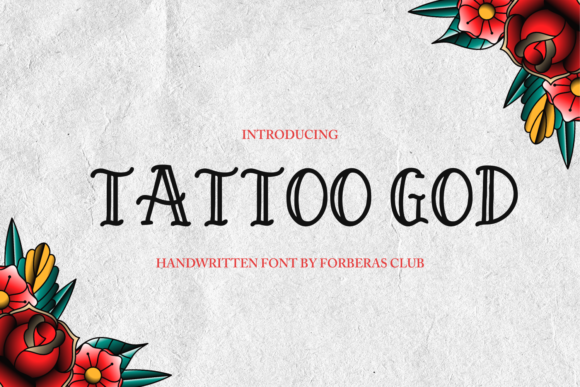
There’s a certain power in lettering that feels like it’s been etched into existence. It carries a story, a sense of permanence, and an undeniable visual punch that modern, minimalist fonts sometimes lack. This is the territory of Tattoo God, an old-school display font that channels the bold, intricate spirit of classic tattoo artistry. It’s not just a typeface; it’s a statement, designed to make words feel anchored, meaningful, and impossible to ignore. For designers and creators seeking to inject authenticity and a touch of vintage rebellion into their work, this typeface offers a direct line to a rich visual tradition.
The Allure of an Old-School Display Typeface
What sets a font like Tattoo God apart from the crowded field of premium fonts is its distinct personality. It’s a display font, meaning its primary strength lies in headlines, logos, and short, impactful text blocks rather than body copy. Its visual characteristics are drawn from the Sailor Jerry-era of tattoo flash sheets: strong serifs, slightly condensed letterforms, and a sense of constructed weight. This isn’t a delicate script font or a neutral sans serif; it’s a typeface with a point of view. The letterforms often feature subtle details—like slight ink traps or terminal shapes—that give them a handmade quality, avoiding the sterile perfection of purely digital creations. This authenticity is its greatest asset, allowing it to communicate themes of tradition, craftsmanship, and rugged individualism instantly.
Practical Applications: From Brand Identity to Digital Screens
The true test of any creative font is its versatility in real-world projects. Tattoo God excels in scenarios where you need to make a bold first impression and establish a strong brand identity. Its inherent character makes it a natural fit for specific industries and creative endeavors.
- Branding & Logo Design: For businesses in the craft beverage, barbershop, motorcycle, outdoor adventure, or artisanal goods space, this typeface can form the cornerstone of a logo. It conveys a sense of heritage, quality, and no-nonsense authenticity. Paired with a simple sans serif for supporting text, it creates a balanced and memorable brand identity.
- Packaging Design: Imagine a hot sauce label, a craft beer bottle, or a small-batch coffee bag. Using Tattoo God for the product name instantly communicates a handcrafted, artisanal quality. It helps the product stand out on a shelf crowded with generic, clean fonts, telling a story before the customer even picks it up.
- Social Media Graphics & Marketing Assets: In the fast-scrolling world of social media, grabbing attention is paramount. This font can be used for bold headlines on Instagram posts, YouTube thumbnails, or promotional banners. Its visual density makes it highly effective for expressing key messages above a busy background image, ensuring your words aren’t lost in the noise.
- Editorial Design & Magazines: For articles about music, subcultures, history, or DIY culture, Tattoo God can set a powerful tone for pull quotes, section headers, or feature story titles. It adds visual interest and thematic consistency to the layout.
- Merchandise & Print Materials: T-shirts, posters, stickers, and event flyers are perfect canvases for this typeface. Its robust structure translates well to screen printing and embroidery, maintaining its impact at various sizes. For wedding designs with a non-traditional, rock-and-roll vibe, it can create stunning invitations or signage.
Strategic Pairings and Readability Considerations
Using a powerful display font effectively requires a bit of strategy. The goal is to let Tattoo God shine without overwhelming the design. The most critical advice is to never set long paragraphs of body text in a font like this. Its intricate details and bold weight make it difficult to read in small sizes or lengthy passages. Instead, reserve it for headlines, subheadings, or single-word accents.
The magic happens in the font pairing. To create a professional and readable layout, pair Tattoo God with a clean, neutral typeface. A simple sans serif like Open Sans, Lato, or Montserrat makes an excellent companion for body text, providing a calm counterpoint to the headline’s energy. Alternatively, a classic serif font like Libre Baskerville or Merriweather can create a sophisticated, editorial contrast. The key is contrast in style and weight—let the display font do the heavy lifting in short bursts, and let the secondary font handle the details.
Before committing to a project, always test the font at the intended size and on the intended medium. How does it look on a mobile screen versus a printed poster? Does the kerning (spacing between letters) feel balanced? Many premium font packages include multiple styles or weights—check if Tattoo God comes with alternates, ligatures, or a slightly lighter version that might offer more flexibility for certain applications.
Making an Impact with Authentic Typography
In a landscape saturated with minimalist and geometric typefaces, choosing something with history and texture is a deliberate creative decision. Tattoo God isn’t just a font; it’s a design asset that carries cultural connotations and visual weight. It helps projects stand out by tapping into a specific aesthetic that resonates with audiences looking for authenticity and substance.
For the small business owner crafting their brand story, the designer creating a standout poster, or the content creator building a cohesive visual feed, this typeface provides a tool to communicate more than just words. It communicates an attitude. By understanding its strengths—its ideal use cases, its best pairings, and its licensing for commercial use—you can leverage it not just for decoration, but as a strategic component of your visual communication. It’s about choosing typography that doesn’t just sit on the page, but speaks directly to the viewer with conviction and style.