Ranch Hand: The Western Font That Brings Vintage Charm to Modern Designs
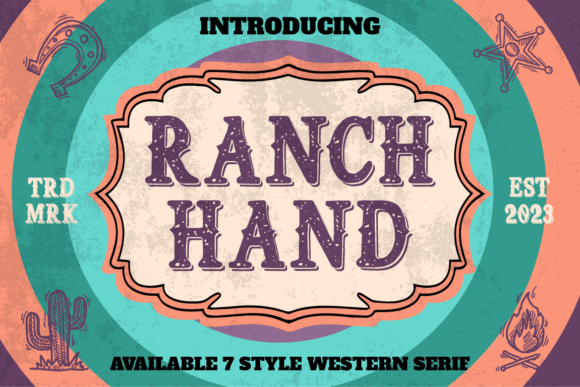
Imagine a font that doesn't just sit on the page but tells a story. A typeface that carries the dusty trails, the spirited energy of a rodeo, and the nostalgic charm of hand-painted saloon signs, all while feeling fresh and incredibly versatile. That's the essence of Ranch Hand. This isn't your typical, stiff Western display font. It's a playful, character-rich typeface designed for creators who want to inject personality, warmth, and a distinctive retro flair into their work. With seven distinct styles, it offers a toolkit for building visual narratives that feel both authentic and engaging.
A Typeface with a Personality as Big as the Open Range
What makes Ranch Hand visually appealing is its masterful blend of classic Western aesthetics and approachable quirkiness. The letterforms have a confident, slightly weathered presence that feels earned, not manufactured. You can sense the inspiration from vintage signage and classic rodeo posters, but it avoids looking dated or cliché. The subtle irregularities and unique character details give it a handmade quality, making it perfect for projects where authenticity and charm are paramount. Whether you lean towards its bolder, more impactful styles or its more refined variations, Ranch Hand maintains a cohesive personality that is unmistakably Western yet surprisingly adaptable.
This premium font is built from what its creators describe as "high-quality materials," a metaphor for its robust design and versatility. It's engineered to be a workhorse creative font, durable enough for a wide range of applications and easy to integrate into your workflow without fuss. Think of it less as a static design asset and more as a dynamic component of your brand identity or creative project.
From Branding to Festive Packaging: Where Ranch Hand Shines
The true test of any typeface is its real-world application. Ranch Hand excels in scenarios where you need to make an immediate, memorable impression. For logo design and branding, it’s a standout choice for businesses with a rustic, artisanal, or adventurous spirit. A craft brewery, a specialty BBQ sauce brand, a Western wear boutique, or a farm-to-table restaurant could build an entire visual identity around its distinct character. The multiple styles allow for a hierarchy within branding—one weight for the primary logo, another for headlines, and a complementary style for taglines.
Beyond static logos, consider its power in packaging design. Ranch Hand can make a product jump off the shelf. Picture it on labels for small-batch goods, artisan coffee bags, or holiday gift boxes. Its festive flair also makes it a natural for Christmas event promotions, adding a touch of rustic cheer to posters, invitations, and social media graphics. For editorial design, it can bring a compelling visual hook to magazine covers, chapter headings in a cookbook, or feature titles in a travel blog focused on American landscapes.
For the digital realm, this display font is equally at home. It can create scroll-stopping social media graphics, add character to website headers, and give blog titles a strong, recognizable voice. The key is using it strategically—it's a headline font, a title font, a font for short, impactful statements. Its strength lies in display use, where its personality can fully unfold.
Practical Tips for Harnessing Ranch Hand in Your Projects
Adopting a new font with a strong personality requires a thoughtful approach. Here’s how to make Ranch Hand work effectively for you:
- Choose Your Style with Intent: Don't just pick the first style you see. Review all seven options. Do you want a rugged, textured look for a vintage poster? A cleaner, more refined version for a boutique logo? Or a playful, quirky style for a children's book title or crafting project? Match the font style to your project's core emotion and goal.
- Master the Art of Font Pairing: Ranch Hand is a star player, but it needs a supporting cast. For body text, pair it with a highly readable sans serif font or a simple serif font. This creates a clean contrast that ensures your message is communicated clearly. Avoid pairing it with another ornate display or script font, which can create visual chaos. Let Ranch Hand be the singular, bold voice.
- Prioritize Readability: As a display typeface, Ranch Hand is designed for impact at larger sizes. Use it for headlines, logos, and short phrases. For long paragraphs of text, always opt for a more neutral, legible typeface. Test your designs at the intended size and on different devices to ensure clarity isn't sacrificed for style.
- Consider the Full Context: Think about your entire brand identity or project layout. Ranch Hand should feel like a natural extension of your overall aesthetic. It pairs beautifully with earthy color palettes, textured backgrounds, and natural imagery. It might feel out of place in a minimalist, corporate, or high-tech context unless used with extreme intentionality.
More Than a Font: A Tool for Storytelling
Ranch Hand offers more than just letters on a screen; it provides a narrative toolkit. The seven included styles give you creative control to build depth and interest. You could use a bold, textured version for a main event title, a cleaner style for supporting information, and perhaps a condensed variant for details—all while maintaining a unified visual theme. This level of versatility is invaluable for creating cohesive marketing assets, from posters and greeting cards to stickers and business signage.
For entrepreneurs and content creators, it’s a powerful tool for differentiation. In a sea of generic sans serifs and overused scripts, Ranch Hand helps you carve out a distinct visual niche. It signals a specific brand personality—approachable, nostalgic, and full of character—before a single word of copy is read. This immediate recognition is a cornerstone of effective visual communication and brand recognition.
Ultimately, Ranch Hand is an invitation to play. It’s for the designer crafting a children’s theme, the small business owner developing a product line, the blogger designing a header, or the crafter making personalized invitations. It proves that typography can be both functional and fun, professional and full of personality. By understanding its strengths and applying it with purpose, you can harness this creative font to build designs that don't just look good—they feel genuinely engaging and tell a story worth hearing.