Tuscabaro: Where Rustic Charm Meets Modern Edge
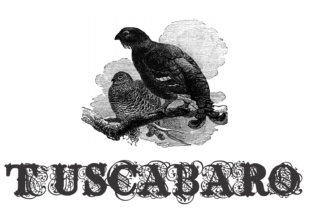
Imagine a font that feels like it could be etched on an old Italian villa door, yet polished enough for a sleek, contemporary logo. That's the unexpected charm of Tuscabaro. It's not just another decorative typeface; it's a deliberate fusion of two distinct typographic personalities. One part carries the warm, textured character of traditional serifs or rustic lettering, while the other introduces a clean, modern sans-serif or geometric influence. The result is a display font that commands attention without shouting, offering a unique blend of heritage and innovation for your creative projects.
A Typeface with a Split Personality (In the Best Way)
What makes Tuscabaro visually appealing is this intentional duality. It avoids being a one-note font. Instead, it provides designers and creators with a built-in dynamic. You might find that its uppercase letters have a strong, architectural feel, while certain lowercase characters or alternates introduce a softer, more handwritten flow. This contrast creates natural visual interest and rhythm. It’s a font that can feel both established and fresh, making it incredibly versatile for projects that need to tell a story of blending old and new, or simply want to stand out from the crowd of overly simplistic or overly ornate display fonts.
Practical Applications for Real-World Projects
Where does a font like Tuscabaro truly shine? Its strength lies in applications where first impressions and brand personality are paramount. Consider using it for:
- Branding and Logo Design: It can serve as the cornerstone of a brand identity for businesses in artisanal food, boutique hospitality, craft breweries, or independent fashion labels. The font’s blend of styles helps create a logo that feels both trustworthy and distinctive.
- Packaging Design: On a product label or box, Tuscabaro can convey quality and care. It works beautifully for gourmet goods, cosmetics, or specialty products where the packaging tells part of the product's story.
- Social Media Graphics and Websites: In the fast-scroll world of social feeds, a unique display font like Tuscabaro can stop the thumb. Use it for impactful headlines on Instagram posts, Pinterest pins, or website hero sections to establish immediate visual tone.
- Print Materials and Posters: From event posters for a gallery opening or music festival to elegant wedding invitations or restaurant menus, this font adds a layer of crafted sophistication that standard fonts often lack.
- Merchandise and Editorial Layouts: Think about the front of a tote bag, a t-shirt graphic, or the chapter title in a cookbook. Tuscabaro provides a headline that feels intentional and designed, elevating the perceived value of the item or publication.
More Than Just Looks: Functional Benefits
Choosing a font isn't just about aesthetics; it's a strategic decision. Using a coherent and distinctive typeface like Tuscabaro across your materials contributes directly to visual consistency. When your website, business card, and social media all share the same typographic voice, it builds brand recognition. People start to associate that unique letterform with your business.
Furthermore, while it's a display font, its design—rooted in the merger of readable styles—can aid readability at larger sizes. It’s not meant for body text, but for headlines and key phrases, it can be very legible, ensuring your message gets across clearly. This leads to a more professional presentation of your work, whether you're a freelancer pitching to a client or a small business owner finalizing your website. Ultimately, a well-chosen font engages the audience by setting the right mood before they even read the words.
Smart Strategies for Using a Display Font
Integrating a strong personality like Tuscabaro into your designs requires a bit of strategy. Here’s some practical advice:
- Match the Font to the Goal: Is your project aiming for rustic elegance, modern heritage, or artistic boldness? Define that first. Tuscabaro’s character should amplify that goal, not contradict it.
- Pair it Thoughtfully: This is crucial. A decorative display font like Tuscabaro needs a simpler partner. Pair it with a clean, neutral sans serif font for body text or supporting information. This contrast prevents visual clutter and ensures the display font remains the hero. Test combinations in your actual project layout.
- Consider Readability Context: Always test how your chosen style and size look on the final medium. A font that looks great on your screen might need adjustment for a small printed label or a mobile view. Ensure key information remains accessible.
- Explore All the Styles: Premium fonts often come with multiple weights, alternates, or stylistic sets. Review all the included font styles within the Tuscabaro family. You might discover a lighter weight for subtitles or special characters that perfectly suit your needs.
- Understand Licensing: For any commercial use—whether it's for a client's logo, merchandise you sell, or a digital product you distribute—ensure you have the correct commercial font license. This is a non-negotiable part of professional practice.
Ultimately, fonts like Tuscabaro are powerful design assets. They are more than just letters; they are tools for communication and branding. By understanding its unique blend of styles and applying it with purpose, you can create work that feels both timeless and decidedly current, helping your projects connect with your audience on a deeper visual level. It’s a reminder that great design often lives in the thoughtful combination of contrasts.