The Japanese Style Font Bundle: Bold Strokes, Modern Soul
There's a distinct visual power in Japanese design—the kind that stops you mid-scroll or makes a poster impossible to ignore. It lives in the tension between sharp geometry and fluid brushwork, in characters that feel both ancient and futuristic at the same time. A well-curated Japanese font bundle captures that energy and translates it into usable typefaces for contemporary projects. If you've ever wanted to bring that cultural richness and dramatic visual weight into your branding, packaging, or digital content, this is the kind of design asset worth exploring.
What Makes This Type Collection Stand Out
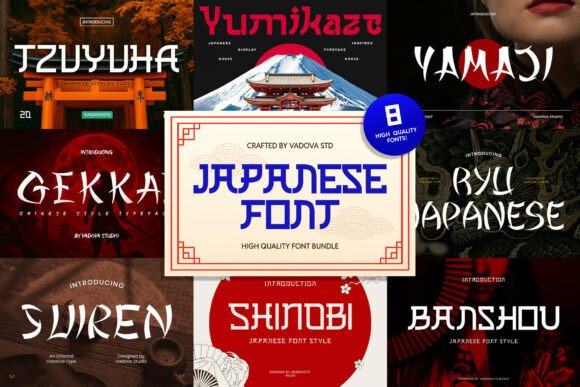
The Japanese Style Font Bundle isn't a random assortment of typefaces thrown together. Each font in the collection draws from traditional Japanese aesthetics—think bold kanji-inspired strokes, sharp angular forms, and expressive character shapes—then filters them through a modern display font lens. The result is a set of typefaces that feel culturally grounded but visually contemporary.
What sets this apart from generic "Asian-style" fonts is intentionality. The letterforms carry weight and drama without sacrificing legibility. The strokes have rhythm. The negative space feels deliberate. These aren't novelty typefaces meant to sit unused after one project. They're built for repeated, professional use across a wide range of creative applications.
Whether you're working with a serif font that echoes the structure of traditional calligraphy or a sans serif font with clean, modern geometry, the collection offers variety within a cohesive visual language. Some styles lean into the brushstroke aesthetic with a script font feel, while others take a more architectural approach. That range matters when you need flexibility without losing the core identity of your design direction.
Where These Fonts Actually Work
The real test of any premium font isn't how it looks in a specimen sheet—it's how it performs in context. This is where the Japanese Style Font Bundle proves its value across practical, real-world applications.
Branding and logo design are obvious starting points. If you're building a brand identity for a restaurant, a streetwear label, a wellness studio, or a tech company with an edge, these typefaces give you immediate visual distinction. A bold display face from the bundle can anchor a logo, while a lighter weight handles supporting text. The cultural connotations add depth without relying on clichés.
Packaging design benefits enormously from typefaces with this kind of character. Product labels, box designs, and wrapping paper all need fonts that communicate at a glance. The sharp forms and high contrast in these fonts make them particularly effective at small sizes on physical products, where clarity and personality both matter.
For social media graphics, the bundle's display-oriented styles are built to perform. Instagram posts, YouTube thumbnails, TikTok overlays, and Pinterest pins all demand type that grabs attention in a crowded feed. These fonts do that work without feeling gimmicky. They photograph well, scale cleanly, and maintain their visual punch across different screen sizes.
Poster design and editorial layouts are where the collection truly shines. The dramatic strokes and expressive forms create natural focal points on a page or screen. Whether it's an event poster, a magazine spread, or a book cover, the typefaces bring a level of visual sophistication that elevates the entire composition.
Don't overlook merchandise either. T-shirts, tote bags, stickers, and hats all benefit from type that has personality and edge. A bold Japanese-inspired font on a black tee reads completely differently than a standard sans serif—and that difference is exactly what drives sales in crowded marketplaces.
Matching Typography to Your Project Goals
Choosing the right font from a bundle like this requires thinking beyond "what looks cool." The best results come from matching the typeface's personality to the project's intent.
For projects that need to feel traditional or ceremonial—cultural event invitations, heritage branding, editorial work about Japanese art or history—lean toward the styles with visible brushstroke influence and heavier weight. These fonts carry gravitas and authenticity.
For modern, urban, or streetwear-inspired projects, the sharper geometric styles work better. They retain the cultural DNA but push it toward a contemporary, almost futuristic aesthetic. Think gaming visuals, music branding, or tech startup identities.
For web design and digital products, consider how the fonts render on screen. Display faces from the bundle work beautifully for headers, hero sections, and call-to-action text. Pair them with a clean sans serif font for body copy to maintain readability while keeping the visual interest high. This kind of font pairing is where the bundle becomes a practical design asset rather than just a collection of interesting shapes.
Test your pairings before committing. Set a headline in the Japanese-inspired display face, then try three or four different body fonts underneath. Look for contrast in weight, style, and x-height. The goal is harmony without monotony—two typefaces that complement each other without competing.
Practical Considerations Before You Start Designing
Before diving into a project, take a few minutes to review what's actually included in the bundle. Most collections like this offer multiple weights, styles, and sometimes alternate character sets. Understanding the full range helps you make smarter typographic decisions and get more value from the purchase.
Readability deserves serious attention, especially for body text or smaller applications. Display fonts with high visual drama can become difficult to read at small sizes or in long passages. Use them strategically—headlines, short phrases, logos, pull quotes—rather than forcing them into roles they weren't designed for. Reserve body text duties for a more neutral companion typeface.
Licensing is another practical checkpoint. If you're using these fonts for commercial font projects—client work, products for sale, marketing materials—confirm that the license covers your intended use. Most premium bundles include commercial licenses, but it's worth verifying the specifics before embedding fonts in digital products or distributing them through third-party platforms.
Think about visual consistency across your project. If you're building a brand identity, the Japanese-inspired font should work as part of a broader typographic system, not just a standalone statement piece. Consider how it interacts with your color palette, imagery style, and overall tone. The best implementations feel integrated rather than applied.
Building Audience Connection Through Visual Language
Typography does more than display words—it communicates feeling, context, and intention before anyone reads a single letter. A creative font with Japanese-inspired aesthetics immediately signals a specific visual world to your audience. It suggests craftsmanship, attention to detail, and a willingness to stand apart from default choices.
That kind of brand recognition compounds over time. When your audience consistently sees the same distinctive typeface across your marketing assets, website, social channels, and print materials, it builds a visual shorthand. They start to recognize your content before they even check who posted it.
For small business owners and entrepreneurs, that kind of recognition is invaluable. It turns every piece of content—every Instagram story, every product label, every email header—into a reinforcement of your brand's visual identity. The Japanese Style Font Bundle gives you the tools to build that consistency with typefaces that actually have something to say.
The bottom line: good typography isn't decoration. It's communication. And when the fonts you choose carry this much visual weight and cultural resonance, they do a significant amount of the communicative heavy lifting for you. Whether you're designing a single poster or building an entire brand system, starting with typefaces that have real character changes the quality of everything that follows.