Cherston: The Duo Font Bringing Sophisticated Flair to Modern Design
There’s a moment in every creative project where the typography either clicks into place or throws the entire composition off balance. You’ve been there—scrolling through endless font libraries, looking for something that feels both distinctive and adaptable. Something with enough personality to stand out, yet flexible enough to work across multiple contexts. That search often leads designers and creators to discover typefaces that promise versatility but deliver mediocrity. Occasionally, though, you stumble upon something that genuinely delivers on its promise. Cherston is one of those finds.
A Display and Script Pairing Built for Real Projects
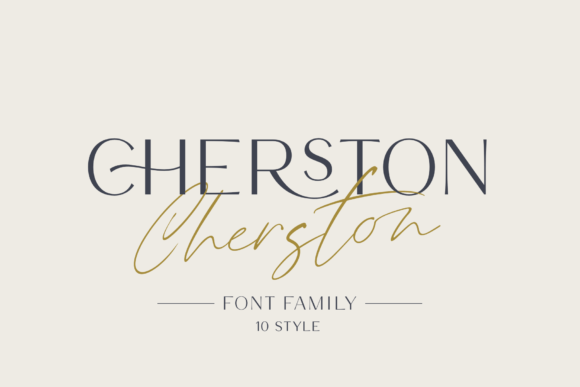
What makes this particular typeface stand out is its dual nature. Rather than offering a single style, Cherston provides both a display font and a script font that share a cohesive visual DNA. The display variant carries clean, confident letterforms with subtle decorative touches—think elegant serifs and balanced proportions that command attention without overwhelming a layout. Its script companion brings a flowing, handwritten font quality that feels organic and personal, yet refined enough for professional applications.
This pairing matters because most creative projects demand more than one typographic voice. A logo design might need the boldness of the display style, while accompanying social media graphics benefit from the warmth and approachability of the script. Having both styles from the same family ensures visual consistency without the headache of hunting for complementary typefaces from different sources.
Where Cherston Shines: Practical Applications Across Industries
Let’s talk specifics. If you’re building a brand identity for a boutique skincare company, the display style works beautifully for product names and headers, while the script adds a personal touch to taglines or founder messages on packaging. Wedding planners and stationery designers will find the script variant particularly useful for invitations, where a handwritten aesthetic conveys intimacy and celebration. The display style handles event details and formal information with clarity.
For editorial design, this typeface offers real flexibility. Magazine feature headlines benefit from the display variant’s strong presence, pull quotes gain character through the script, and both styles maintain readability at various sizes. Bloggers crafting digital products—like e-books, workbooks, or online course materials—can use the display font for chapter titles and section headers while employing the script for callout boxes, testimonials, or personal notes to readers.
Packaging design presents another natural fit. Artisan food brands, craft beverage companies, and handmade goods sellers often need typography that communicates authenticity and quality simultaneously. The display variant handles product names and key information with authority, while the script style adds the human touch that suggests something made with care rather than mass-produced.
Marketing professionals will appreciate how well this premium font adapts to marketing assets. Email headers, promotional banners, sale announcements, and posters all benefit from having two related styles that create visual hierarchy without relying on unrelated typefaces. The result feels polished and intentional rather than pieced together.
Making Typography Work Harder for Your Brand
Strong brand recognition doesn’t happen by accident. It comes from consistent visual choices applied repeatedly over time. When your typography stays within a cohesive family—like using Cherston’s display and script variants together—you build a recognizable visual language. Your audience starts associating those letterforms with your business, even before reading the words.
Readability remains critical, of course. The display style maintains clarity even at smaller sizes, making it suitable for web design headers and navigation elements. The script variant reads well at medium to large sizes, which is typical for how script fonts are used—think headlines, quotes, and accent text rather than body copy. Knowing where each style performs best helps you make smarter typographic decisions.
Consider a small business owner launching a new product line. They need a creative font that works for their website hero section, product labels, Instagram stories, and printed lookbook. Using the display style for structural elements and the script for emotional or personal messaging creates a unified experience across every customer touchpoint. That’s the kind of professional presentation that builds trust and drives audience engagement.
Pairing, Testing, and Getting the Details Right
Even with a versatile typeface like this one, thoughtful font pairing makes a difference. For body text, consider matching Cherston with a clean sans serif font or a simple serif font that doesn’t compete for attention. A geometric sans serif works well for modern, minimal aesthetics, while a traditional serif complements more classic or editorial designs. The goal is contrast without conflict—your supporting typeface should feel like a quiet partner, not a rival.
Before committing to any design assets for a client or your own brand, test the font in context. Set real headlines with actual project copy, not just placeholder text. Check how the script reads at the sizes you’ll actually use. Print a sample if the project involves physical materials. View it on different screens if it’s heading to web design or social media graphics. These small steps prevent unpleasant surprises after you’ve already built out an entire campaign.
Pay attention to the specific styles included with your purchase. Most quality font packages offer multiple weights, alternates, or stylistic variations. Understanding what’s available lets you take full advantage of the modern typography you’ve invested in. Swash alternates in the script, for instance, can add extra flair to initial letters in logos or monograms. Ligatures improve the flow of connected script text, preventing awkward letter combinations.
Licensing deserves a moment of attention as well. If you’re using the font for commercial font projects—client work, products for sale, business branding—make sure your license covers those uses. Most premium font foundries offer clear licensing terms, but it’s worth confirming before you embed a typeface in a product you plan to distribute or sell. This small bit of diligence protects both you and your clients.
Bringing Creative Ideas to Life with Intentional Typography
The best typography decisions aren’t about chasing trends or collecting the newest releases. They’re about finding tools that serve your specific creative needs and using them with purpose. Whether you’re a freelance designer building brand identity packages, a content creator developing a cohesive visual style for your platform, or a small business owner crafting materials that reflect your values, the fonts you choose communicate volumes before anyone reads a single word.
Cherston offers that rare combination of visual distinction and practical flexibility. Its dual display-and-script structure gives you more creative range from a single source, reducing the friction of building cohesive designs from scratch. The display variant brings structure and confidence. The script variant adds warmth and personality. Together, they create a typographic system that adapts to everything from merchandise and packaging design to digital campaigns and printed materials.
Next time you’re starting a project—whether it’s a fresh logo design, a seasonal marketing push, or a complete brand overhaul—consider what your typography is actually doing for the work. Does it support your message? Does it feel intentional? Does it help your audience connect with what you’re offering? The right typeface doesn’t just look good on a mood board. It functions as a strategic asset, reinforcing your visual identity at every interaction point and making your creative ideas feel complete.