Sunquake Font Duo: Balancing Artistic Flair and Professional Polish
Every designer knows the struggle of finding that perfect visual voice—something that feels energetic and unique but doesn’t sacrifice the clarity needed for a professional audience. When you are building a brand, you often need a typography toolkit that can handle two very different jobs: grabbing attention and delivering information. That is where the concept of a font duo becomes incredibly powerful. Instead of guessing which typefaces work well together, having a pre-paired set saves time and ensures visual harmony. The Sunquake collection is designed specifically to bridge the gap between chaotic creativity and structured minimalism, offering a solution for projects that demand both personality and precision.
Understanding the Visual Identity
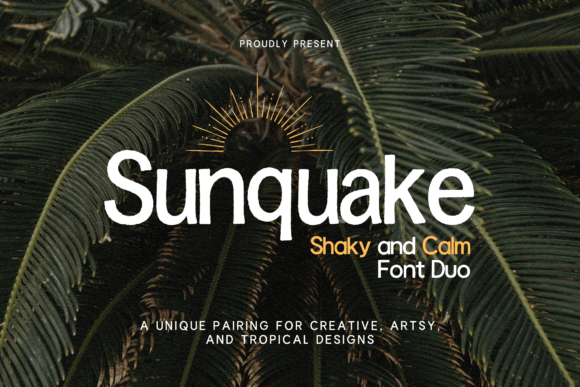
The core strength of this typeface system lies in its contrasting styles. On one side, you have a display font that embraces imperfection. It features irregular strokes and a slightly distorted, shaky aesthetic that mimics the look of vintage printing or hand-painted signage. This style is all about character; it feels organic, lived-in, and full of motion. It is the kind of typography that instantly gives a logo or headline a sense of history or artistic flair. It works exceptionally well for projects that need to feel approachable, rustic, or distinctly retro.
On the other side is its counterpart: a clean, geometric sans-serif. This style strips away all the noise. It features soft, rounded terminals and an even stroke width, making it highly legible even at smaller sizes. While the display version is loud and expressive, the sans-serif is calm, modern, and functional. Together, they create a perfect hierarchy. You can use the bold, textured style to hook your viewer and then guide them into the details using the clean, readable body text. This combination allows you to build complex layouts without them feeling cluttered or confusing.
Practical Applications for Modern Creators
How does this translate to real-world projects? If you are working on branding for a coffee shop, a surf school, or an artisanal bakery, this duo offers everything you need. The textured display font works beautifully for the main logo and signage, conveying a handmade, authentic vibe. Meanwhile, the clean sans-serif is perfect for the menu, business cards, and website navigation. This ensures that customers can easily read the details while still feeling the unique atmosphere of the brand.
For those in packaging design, the balance is equally important. Imagine a product label on a crowded shelf. You need the product name to pop, but the ingredients and instructions must be legible to comply with regulations and assist the customer. Using the display style for the product title creates an immediate shelf appeal, suggesting that the product is crafted with care. The sans-serif then handles the fine print with grace, maintaining a modern and clean aesthetic that appeals to contemporary consumers.
Digital Presence and Marketing Assets
In the realm of digital marketing, typography needs to be versatile enough to work across different screen sizes. Social media graphics, for example, often need to convey a message in a split second. The bold, irregular nature of the display font creates high-contrast headlines for Instagram posts or Pinterest pins that stop the scroll. It adds a layer of artistic expression that standard corporate fonts lack, making your content feel more like a curated magazine spread than a generic advertisement.
When it comes to web design, the sans-serif component shines. It is designed for readability, making it ideal for blog posts, product descriptions, and "About Us" pages. However, the system also includes alternate characters and ligatures within the display font. This means you aren't stuck with one static look; you can swap out letters to create custom logotypes or specific header styles that feel truly bespoke. This level of customization is usually reserved for premium font families, allowing small business owners to achieve a high-end design look without commissioning custom lettering.
Matching Typography to Project Goals
Choosing the right font is less about following trends and more about aligning visuals with your message. If your goal is to create a vintage-inspired poster or an invitation for a rustic wedding, you want typefaces that evoke emotion. The textured style of this collection does the heavy lifting here, providing that nostalgic, analog feel. Conversely, if you are designing a minimalist website or a tech startup brand, you might lean heavily on the geometric sans-serif, perhaps using the display font only sparingly for a call-to-action button to add a touch of warmth.
A practical tip for using font duos is to establish a clear hierarchy. Decide early on which font owns the headlines and which owns the body. Generally, the more decorative style should be reserved for large, impactful moments—like a hero image headline or a logo. The simpler style should manage the dense information. This prevents the design from becoming overwhelming. Because these two styles were designed to work together, you avoid the common pitfall of pairing two fonts that clash in mood or proportion.
Key Features and Licensing
For designers and entrepreneurs looking to expand their toolkit, understanding the technical features is vital. The display font includes unique swashes, which are decorative extensions of letters. These are excellent for adding a flourish to the beginning or end of a word, perfect for wedding invitations or boutique branding. The sans-serif includes a full set of numerals and punctuation, ensuring it functions flawlessly for data-heavy designs like menus or pricing sheets.
It is also important to consider the licensing of your design assets. When investing in a commercial font, you are buying the legal right to use that typeface in your business materials, whether digital or print. This duo serves as a versatile asset for creating merchandise, digital products, and marketing collateral. It provides the flexibility to adapt your visual identity across different mediums—from a t-shirt print to a website header—without needing to purchase multiple separate typefaces.
Ultimately, the Sunquake Font Duo is about giving creators the tools to be expressive without being chaotic. It acknowledges that modern design requires a balance of art and utility. By combining a gritty, artistic display style with a soft, approachable sans-serif, it offers a complete visual language. Whether you are a seasoned graphic designer working on an editorial layout or a small business owner creating your first logo, having a reliable font pairing simplifies the creative process and elevates the final result. It allows you to focus on your message, knowing that your typography is doing its job to support and enhance your vision.