Playful Time: A Font That Brings Character to Your Creative Projects
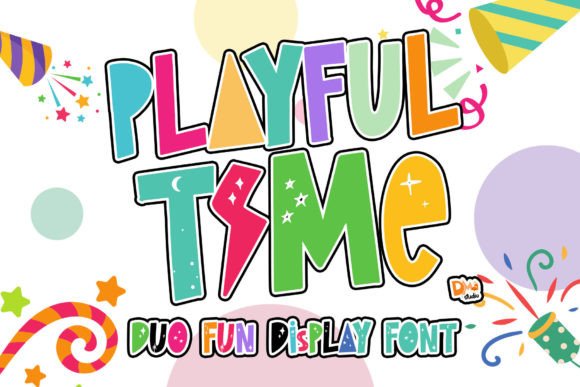
Ever stared at a design and felt something was missing? Maybe the layout is clean, the colors are spot-on, but the typography just sits there, lifeless. That’s where a font like Playful Time steps in. It’s not just another typeface—it’s a personality injector. Designed as a fun, quirky, and unique display and decorative font, Playful Time brings a sense of joy and expressiveness that can transform a flat design into something memorable. Whether you’re working on branding, packaging, or social media graphics, this font duo offers a refreshing break from the ordinary.
What Makes Playful Time Stand Out?
At its core, Playful Time is a display font crafted for moments where you want your text to do more than just communicate—you want it to connect. The letterforms have a hand-drawn, slightly irregular quality that feels approachable and human. Unlike rigid geometric typefaces, Playful Time embraces subtle imperfections, which can make your designs feel more authentic. It often comes paired with complementary styles—maybe a script font or a clean sans serif font—giving you flexibility for hierarchy and contrast in your projects.
One of the biggest challenges in design is finding a typeface that balances creativity with readability. Playful Time manages this well. While it’s clearly decorative, it doesn’t sacrifice legibility at larger sizes. This makes it ideal for headlines, logos, and any context where you need text to grab attention without confusing the viewer. If you’ve ever struggled with overly ornate fonts that look beautiful but are impossible to read, you’ll appreciate how Playful Time keeps things clear while still being expressive.
Where Can You Use a Font Like Playful Time?
Think about the projects where personality matters most. A bakery’s menu. A children’s book cover. A boutique clothing brand’s Instagram posts. A podcast logo. These are the spaces where Playful Time shines. Here’s a quick rundown of practical applications:
- Branding and Logo Design: If your brand voice is friendly, creative, or youthful, Playful Time can help solidify that identity. A logo sets the tone for everything else, and using a creative font like this one can make your mark instantly recognizable.
- Packaging Design: On shelf or online, packaging needs to catch eyes fast. Playful Time can add a tactile, handmade feel to product labels, boxes, or tags—especially for artisanal goods or lifestyle products.
- Social Media Graphics: Platforms like Instagram and Pinterest are visual battlegrounds. A distinctive typeface helps your posts stand out in crowded feeds. Use Playful Time for quotes, announcements, or story templates to boost engagement.
- Websites and Blogs: While you might not use it for body text, Playful Time works beautifully for headers, section titles, or featured quotes. It adds visual interest without overwhelming the overall design.
- Print Materials: Think posters, flyers, invitations, or editorial layouts. A premium font like this elevates print projects, giving them a polished yet playful edge.
- Merchandise and Digital Products: From tote bags to e-book covers, Playful Time can make your merchandise feel special and your digital products more professional.
The key is to match the font to your project’s goals. If you’re designing for a law firm, maybe not. But for a creative studio, a kid-focused brand, or a lifestyle blog? It could be exactly what you need.
Pairing Playful Time with Other Fonts
Even the best display font needs a good partner. Playful Time’s quirky nature means it pairs well with simpler, more neutral typefaces. Try combining it with a clean sans serif font for body text or a subtle serif font for a classic contrast. The goal is to let Playful Time be the star while supporting it with fonts that don’t compete for attention.
For example, if you’re designing a website header, use Playful Time for the main title and a straightforward sans serif for navigation or subheadings. In packaging, you might use Playful Time for the product name and a legible serif for the description. Always test your pairings in context—what looks good on a mood board might not work at actual size. Print a sample, view it on different screens, and ask for feedback. Typography is subjective, but readability isn’t.
Practical Tips for Using Decorative Fonts Effectively
Decorative fonts like Playful Time are powerful, but they require thoughtful application. Here are a few tips to keep in mind:
- Use Sparingly: A little goes a long way. Reserve Playful Time for headlines, logos, or accents—not for long paragraphs. Overusing decorative fonts can clutter your design and reduce readability.
- Consider Your Audience: Who are you designing for? A younger audience might love the energy of Playful Time, while a more traditional demographic might prefer something subdued. Align your font choice with your viewers’ expectations.
- Check Licensing: If you’re using Playful Time for commercial projects—client work, merchandise, paid products—make sure you have the right license. Many premium fonts include commercial licenses, but it’s always smart to verify.
- Explore All Styles: If Playful Time comes with multiple weights, alternates, or a script font companion, experiment with them. Sometimes the alternate characters or swashes can add just the right touch.
- Test Across Mediums: A font that looks great on your laptop might render differently on a mobile screen or in print. Always test in real-world conditions.
Why Fonts Like Playful Time Matter in Visual Communication
In a world saturated with content, standing out isn’t just about being louder—it’s about being more authentic. Fonts carry emotional weight. A handwritten font feels personal. A bold sans serif feels modern. Playful Time feels joyful, creative, and approachable. When used intentionally, it can help you build a stronger brand identity, improve audience engagement, and create designs that people actually remember.
Think about brands you love. Chances are, their typography plays a subtle but significant role in how you perceive them. The right typeface doesn’t just look good—it communicates values, sets expectations, and builds trust. Playful Time might not be for every project, but for the ones where personality and creativity are key, it’s a valuable tool in your design assets toolkit.
So next time you’re starting a project, ask yourself: what do I want my audience to feel? If the answer is excitement, warmth, or curiosity, consider giving Playful Time a try. It might just be the missing piece your design has been waiting for.