Georgia Capitals: A Distressed Typeface with Timeless Character
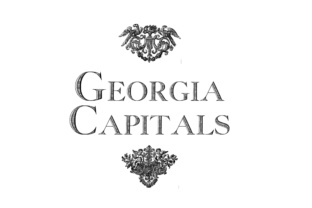
There's a particular kind of visual weight that comes from typography that looks like it has lived a full life. You've seen it on vintage whiskey labels, old apothecary signage, and weathered book covers—the letters feel like they carry stories in their very form. Georgia Capitals is precisely that kind of typeface. A classic serif design remastered by the foundry Intellecta Design, it brings together the elegance of traditional letterforms with a beautifully distressed, antique texture. This is not a font for whispering; it's for making a statement. Its uppercase-only design and inherent character make it a powerful tool for designers and creators who want to inject a sense of history, authenticity, and bold personality into their work.
The Anatomy of a Typeface with History
At its core, Georgia Capitals is a premium serif font, but the "distressed and antique" treatment transforms it from a simple typeface into a design asset with narrative depth. The letterforms are based on a classic structure, providing excellent readability at the fundamental level. However, the intentional imperfections—the slightly uneven edges, the subtle texture, the variations in stroke weight—create a visual effect that feels handmade and aged. This is modern typography that pays homage to the past. It avoids the sterile perfection of many digital fonts, offering instead a tactile quality that engages the viewer. The fact that it includes uppercase letter designs only is a deliberate stylistic choice. This constraint forces a certain compositional boldness, making it ideal for headers, logos, and any application where a few words need to command attention without competing with a full paragraph of body text.
Where This Display Font Truly Shines
The practical applications for a typeface like Georgia Capitals are surprisingly broad, especially for projects that aim to tell a story or establish a specific mood. Its distressed nature makes it particularly effective where a sense of craftsmanship, heritage, or rugged authenticity is desired.
- Branding & Logo Design: For a craft brewery, a boutique coffee roaster, an artisan bakery, or an outdoor adventure brand, this font can become the cornerstone of a visual identity. It immediately communicates values like tradition, quality, and hands-on creation.
- Packaging Design: On product labels, boxes, and tags, Georgia Capitals adds a layer of premium, vintage appeal. It works exceptionally well for gourmet goods, natural products, or any item where the packaging should feel like part of the product's story.
- Editorial & Print Layouts: Use it for magazine feature headers, book chapter titles, or event posters. It provides a strong, stylistic contrast to clean sans-serif or script fonts used for body copy, creating a dynamic and engaging typographic hierarchy.
- Digital & Social Media: In a world of clean digital interfaces, a distressed display font can make a social media graphic, a blog header, or a website banner pop. It's perfect for creating eye-catching titles for articles, YouTube thumbnails, or podcast cover art that needs to stand out in a crowded feed.
- Merchandise & Invitations: Think about t-shirts, tote bags, or wedding invitations with a rustic or vintage theme. The uppercase-only style lends itself perfectly to short, impactful phrases and monograms.
Making It Work: Practical Pairing and Application Advice
Using a character-heavy display font effectively requires some thoughtful consideration. The goal is to let its personality enhance your message, not overwhelm it.
Font Pairing is Key: Georgia Capitals should rarely be used alone. Its strength is in display contexts. For any running text, you'll need a complementary partner. Pair it with a clean, simple sans-serif font for a modern contrast that keeps the design feeling current. Alternatively, pairing it with a gentle, readable serif can create a more cohesive, traditional feel. The key is balance—let the distressed serif be the star, and give it a supporting cast that doesn't fight for attention.
Readability First, Style Second: Because of its textured nature, test the font at the actual size it will be used. A beautifully distressed letter might lose its clarity if rendered too small on a mobile screen. It's built for headers and short bursts of text, not for body copy or lengthy descriptions. Always prioritize the user's ability to easily read your core message.
Context Matters: While incredibly versatile, its antique style might not align with a hyper-modern tech startup or a minimalist Scandinavian design aesthetic. Match the font's personality to your project's goals. Ask yourself: does this typeface feel like my brand? Does it tell the right story to my audience?
Understand Your License: If you're using this for a commercial project—selling merchandise, using it in client work, or on a monetized website—ensure you have the correct commercial license from the foundry. This is a non-negotiable step in professional practice and protects both you and the type designer.
A Tool for Visual Storytelling
Ultimately, Georgia Capitals is more than just a collection of glyphs; it's a tool for visual storytelling. In a marketplace saturated with generic visuals, a thoughtfully chosen typeface can be a differentiator. It helps build brand recognition, creates a professional and cohesive presentation, and can significantly boost audience engagement by evoking a specific emotion or association. Whether you're a designer building a brand identity for a client, an entrepreneur creating your own packaging, or a content creator designing a compelling thumbnail, having a font with this much built-in character in your toolkit gives you a powerful way to communicate not just what you do, but who you are. It’s a reminder that in design, sometimes the most compelling stories are told through the letters themselves.